Elevate Your Craft Projects with Rustic Wood Sublimation Backgrounds
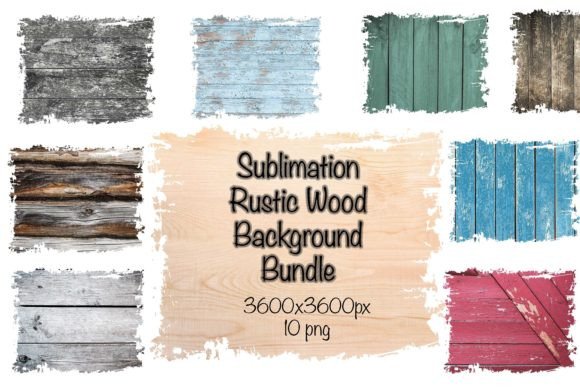
When you are designing for a client or working on your own product line, the foundation of your artwork dictates the final impact. In the world of sublimation printing, the texture and depth of your backdrop can make the difference between a generic print and a professional masterpiece. That is exactly why using high-quality resources like these Sublimation Background, Wood Backgrounds is such a game-changer. These aren't just flat images; they are detailed, realistic representations of timber and wood grain that provide an instant earthy, organic vibe to any project. If you have ever struggled to find the right surface for your designs without physically building a set, these digital assets solve that problem instantly.
The Aesthetic Appeal of Organic Textures
There is a specific warmth that wood textures bring to design work. Unlike the cold, clinical feel of a stark white or solid color background, wood signals comfort, durability, and nature. This particular collection of Sublimation Background, Wood Backgrounds captures that personality perfectly. You will notice the grain variations, the subtle shifts in color tone, and the realistic depth that makes the wood look tactile. This style is incredibly versatile. It works for a rugged, masculine brand identity just as well as it does for a cozy, feminine aesthetic depending on the specific wood stain and lighting used in the image.
For designers and entrepreneurs, this versatility is key. You are not just buying a static image; you are acquiring a design asset that sets a mood. Whether you are creating a background for a quote graphic, a product mockup, or a physical print, the wood texture acts as a neutral yet character-rich canvas. It allows your foreground elements—whether that is bold typography, a logo design, or intricate illustrations—to pop without feeling disconnected from the scene. This is the essence of effective visual hierarchy: the background supports the message rather than competing with it.
Practical Applications for Creators and Businesses
How do you actually use these files in your day-to-day workflow? The applications are nearly endless, especially given the specifications included in this pack. Because the files are delivered as high-resolution PNGs at 3600 x 3600 pixels, they are perfectly sized for large-format printing. This makes them ideal for sublimation craft projects where clarity is non-negotiable. If you are pressing designs onto mugs, phone cases, coasters, or t-shirts, a pixelated background ruins the perceived value of the final product. With 300dpi quality, you can print these wood backgrounds confidently, knowing the grain will remain sharp and distinct.
Beyond physical products, consider the digital space. Social media managers and content creators often struggle to find consistent imagery for Instagram or Pinterest. Using these wood backgrounds as a base for your social media graphics creates a cohesive aesthetic for your feed. You can easily add text or graphics on top of these templates to announce sales, share tips, or simply engage your audience with beautiful imagery. For bloggers and publishers, these work wonderfully as featured images for articles about home decor, DIY crafts, or rustic wedding planning. The texture adds a layer of professionalism that stock photos often lack.
Integrating Wood Backgrounds into Brand Identity
Brand identity is about consistency and recognition. If your brand values include sustainability, craftsmanship, or a down-to-earth approach, incorporating wood textures into your marketing materials is a strategic move. Imagine a small business owner selling handmade candles or artisanal coffee. Using these Sublimation Background, Wood Backgrounds across their packaging design, web design banners, and email marketing headers ties the entire brand experience together. It tells a customer, before they even read a word, what kind of brand they are interacting with.
When working with these textures, you need to pay attention to font pairing. Because wood backgrounds are often busy with natural patterns, you generally want to pair them with typefaces that have strong legibility. A heavy sans serif font usually works best for headlines, providing a modern contrast to the organic background. Alternatively, a clean serif font can complement the classic feel of wood if you are aiming for a vintage or editorial design look. Avoid overly complex script fonts or handwritten fonts for body text, as the background texture might make the letters difficult to decipher. The goal is to ensure your message is readable at a glance.
Tips for Using Your Instant Download Files
Getting the most out of your digital assets requires a bit of technical know-how. Since these backgrounds come in a Zip Pack, ensure you have enough storage space and the ability to unzip files. Once extracted, you will have ten distinct PNG files to work with. Here is a practical guide to evaluating and using them:
- Test for Lighting Consistency: Before starting a large project, ensure the lighting direction in the wood background matches any other elements you plan to add, such as photos of products or 3D text.
- Adjust Opacity and Color: Don't be afraid to manipulate the background in your editing software. You can desaturate the wood for a grayscale look or apply a color overlay to match specific brand guidelines while keeping the texture.
- Check Resolution Needs: While 3600x3600 is large, always check the specific requirements of your sublimation printer or print-on-demand service to ensure no cropping occurs.
- Commercial Licensing: Always review the license included with your download. For most of these creative assets, you are covered for personal and small business commercial use, but it is best practice to verify the terms regarding print-on-demand services or mass production.
Final Thoughts on Texture and Design
In the current design landscape, texture is making a massive comeback. We are moving away from the flat, minimalist designs of the past decade and embracing materials that feel real. These wood backgrounds fit perfectly into this trend. They provide an opportunity to add depth and realism to digital art. Whether you are a hobbyist making gifts for friends or a professional designer working on a commercial font project presentation, having a library of high-quality wood textures is invaluable. It saves you time, enhances your creativity, and ensures your final output looks polished and professional. By leveraging these assets, you bridge the gap between digital design and physical reality, creating work that resonates with a tactile, human touch.